Live music venues Toronto: best places to see concerts
Live music venues Toronto: best places to see concerts
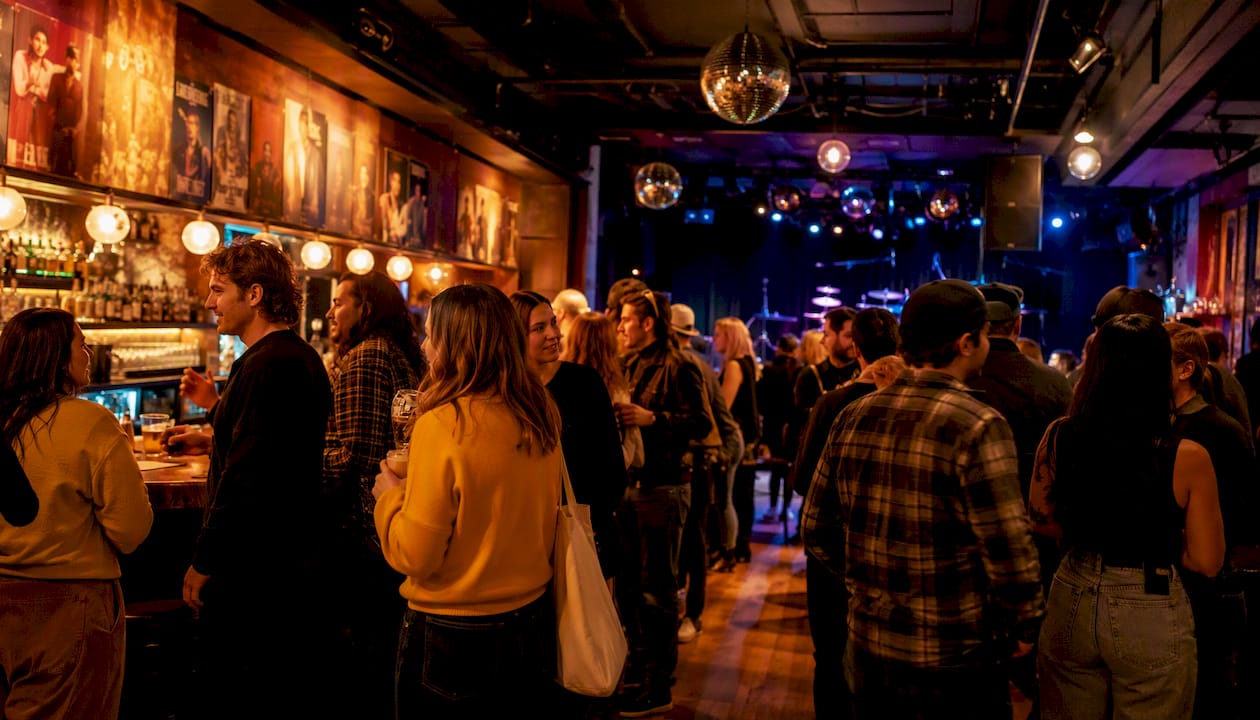
Toronto’s live music venues range from large arenas for blockbuster tours to intimate halls ideal for chamber music, with plenty of great stops in between. Here’s a quick look at the top picks before you dive in:
- ️ Scotiabank Arena — big-name arena tours and stadium-scale productions
- Massey Hall — classic acoustics and a bucket-list Toronto experience
- Koerner Hall — intimate, world-class sound for classical and jazz
- Horseshoe Tavern — the heartbeat of Queen West indie rock since 1947
- Danforth Music Hall — mid-sized theatre with a loyal East End crowd
- El Mocambo — legendary club vibes with a newly restored stage
Check the City of Toronto venue directory for a full interactive map of concert spaces across the city. For practical next steps, each venue section below links to official calendars, and the itineraries at the end show you how to build a full night out with Dayhop.
Table of Contents
- What are the best live music venues in Toronto?
- What types of live-music venues will you find in Toronto?
- Which Toronto neighbourhood has the best live music?
- How do you find upcoming shows and buy tickets in Toronto?
- How do you pick the right venue for the show you want?
- Three night-out itineraries you can build with Dayhop
- Key takeaways
- Why Toronto’s venue variety is its real superpower
- Plan your perfect concert night with Dayhop
- Useful sources and official venue links
What are the best live music venues in Toronto?
Toronto’s concert scene covers every size and style. The table below gives you a side-by-side snapshot, followed by a card for each venue with the details that actually matter.
| Venue | Best for | Capacity | Typical ticket range | Neighbourhood / transit | What to expect | Accessibility |
|---|---|---|---|---|---|---|
| Scotiabank Arena | Arena pop, rock, hip-hop | large capacity | Varies widely | Downtown / Union Station | Assigned seating, full concessions | Wheelchair seating, elevators |
| Massey Hall | Rock, folk, jazz, classical | large theatre capacity | Varies | Downtown / Dundas subway | Assigned seating, historic hall | Accessible seating available |
| Roy Thomson Hall | Orchestral, classical | large theatre capacity | Varies | Entertainment District / St. Andrew subway | Assigned seating, formal atmosphere | Full accessibility |
| Danforth Music Hall | Rock, indie, pop | mid-sized theatre capacity | Varies | The Danforth / Chester subway | General admission floor + balcony | Accessible entrance |
| The Opera House | Rock, electronic, indie | mid-sized theatre capacity | Varies | Queen East / streetcar | Standing floor, intimate stage | Check venue page |
| El Mocambo | Rock, indie, emerging artists | small club capacity | Varies | Spadina / College subway | Club standing, bar service | Check venue page |
| Lee’s Palace | Indie, alternative, punk | small club capacity | Varies | Bloor West / Bathurst subway | Standing, gritty club feel | Check venue page |
| Horseshoe Tavern | Indie, country, rock | small club capacity | Varies | Queen West / Osgoode subway | Back bar standing, front bar open | Check venue page |
| Koerner Hall | Classical, jazz, acoustic | 1,135 | Varies | Bloor / Bay subway | Assigned seating, no food/drink in hall | Full accessibility |
| Mazzoleni Concert Hall | Chamber, orchestral | 237 | Varies | Bloor / Bay subway | Intimate assigned seating | Check venue page |
Scotiabank Arena
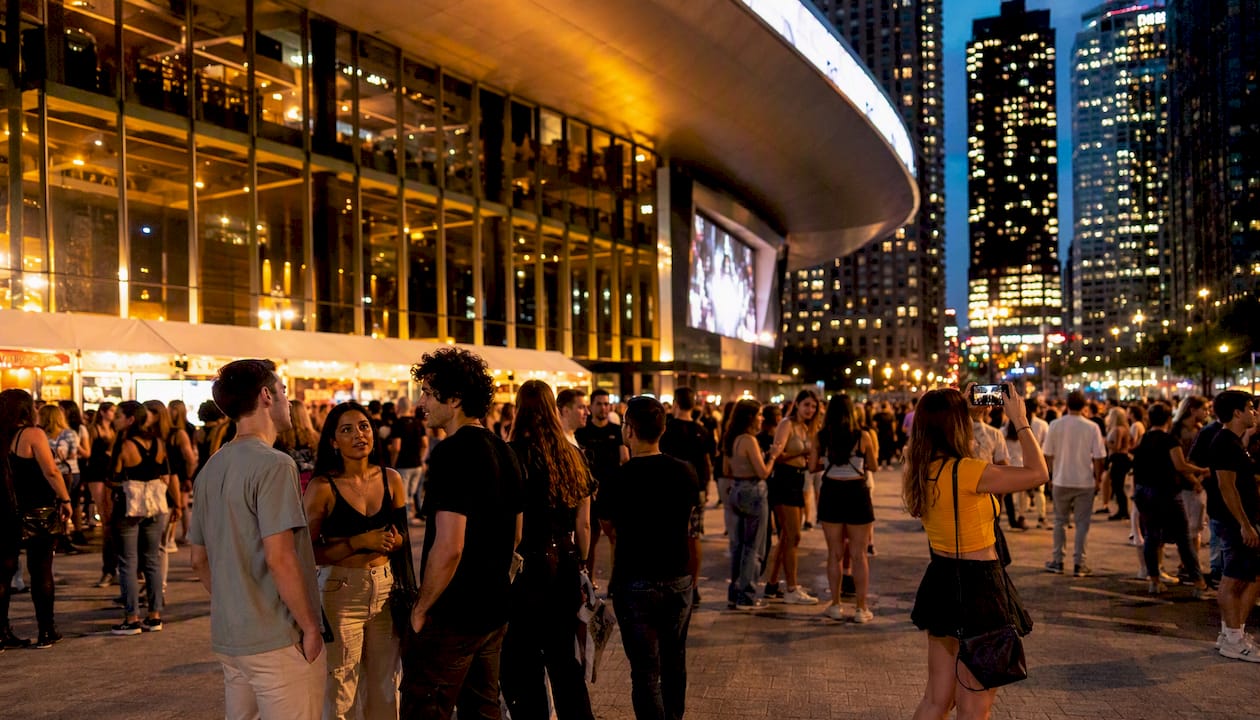
The city’s largest indoor venue sits steps from Union Station, making it the easiest arena to reach by transit. It hosts the biggest touring acts in pop, hip-hop, and rock, plus the Leafs and Raptors. Sightlines from the upper bowl can feel distant, so check the seating map before you buy.
Massey Hall
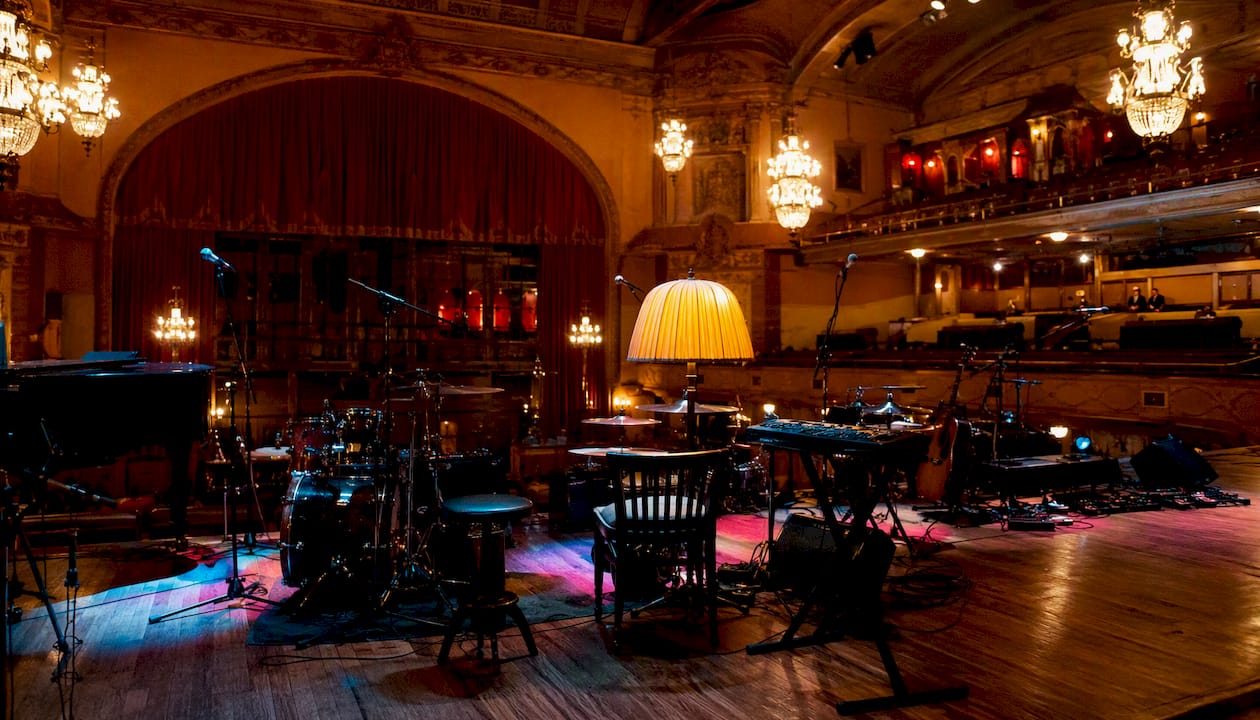
Few rooms in Canada carry as much history. Massey Hall has hosted everyone from Neil Young to Nina Simone, and its horseshoe balconies put almost every seat close to the stage. The recent restoration preserved the warm acoustics while adding modern amenities. A genuinely special room for any genre.
Roy Thomson Hall
Home to the Toronto Symphony Orchestra, Roy Thomson Hall is the city’s premier orchestral venue. The curved, reflective interior was designed for classical sound, and it shows. Dress code is relaxed for most events, but the atmosphere skews formal. Located in the Entertainment District, it’s a short walk from St. Andrew subway station.
Danforth Music Hall
A converted 1919 theatre on the Danforth, this mid-sized room draws a mix of touring indie acts and established names who want something more personal than an arena. The balcony offers a great view; the floor goes general admission for most shows. Chester subway station is right outside.
The Opera House
Queen Street East’s best-kept secret for mid-sized shows. The Opera House holds around 900 people and keeps the stage close enough that you feel the energy from anywhere on the floor. Electronic, rock, and indie acts all land well here. Arrive by streetcar on Queen East.
El Mocambo
The El Mocambo’s neon palm tree is one of Toronto’s most recognisable signs. After a full restoration, the venue reopened with a renewed focus on emerging and established rock and indie acts across two stages. Capacity stays small, which means the shows feel personal even when the artist is well known.
Lee’s Palace
Bloor Street’s go-to for alternative, punk, and indie rock. Lee’s Palace has a mural-covered exterior that’s become a neighbourhood landmark, and the interior is all standing room with a low stage that puts you right in the mix. The upstairs Dance Cave runs late on weekends. Bathurst subway is a two-minute walk.
Horseshoe Tavern
Open since 1947, the Horseshoe Tavern is where Toronto’s indie and country scenes grew up. The front bar is open to all ages; the back bar hosts ticketed shows in a tight, energetic room. It’s the kind of place where you might catch a future headliner for $15. Queen West’s most reliable live-music anchor.
Koerner Hall
Koerner Hall at the Royal Conservatory of Music seats 1,135 in a “shoebox” style layout with a floating wooden canopy overhead. That canopy is the secret: it disperses sound evenly so every seat feels like the best seat. Classical, jazz, and acoustic world music all shine here. Bay subway station is a short walk south.
Mazzoleni Concert Hall
Also at the Royal Conservatory of Music, Mazzoleni Concert Hall holds just 237 seats, making it one of the most intimate formal concert spaces in the city. Heritage-listed and acoustically warm, it’s ideal for chamber music and small orchestral programmes. If you’ve only ever heard classical music in a large hall, this room will change your perspective.
What types of live-music venues will you find in Toronto?
Toronto’s music scene sorts itself into a handful of distinct venue types. Knowing which one fits your mood makes the whole night easier to plan.
-
️ Arenas (10,000+ capacity): Scotiabank Arena is the main example. Expect assigned seating, full food and drink concessions, and a production-heavy show. Tickets often sell months in advance. Age restrictions are rare, but check the event listing.
-
Mid-sized theatres (900–2,800 seats): Massey Hall, Roy Thomson Hall, and Danforth Music Hall fall here. Mix of assigned seating and general admission depending on the show. Acoustics vary widely, from the orchestral precision of Roy Thomson Hall to the livelier feel of Danforth Music Hall.
-
Indie clubs (300–700 capacity): Lee’s Palace, Horseshoe Tavern, El Mocambo, and The Opera House. Mostly standing room, bar service throughout, and a social atmosphere. Shows often start late (9 PM or after). Many are 19+ after a certain hour; confirm on the venue page.
-
Jazz rooms and speakeasies: The Reservoir Lounge at 52 Wellington St E is a classic example: a compact, candlelit room with nightly live jazz and swing. Reservations are strongly recommended on weekends. The experience is more listening-focused than a club, but the vibe stays relaxed.
-
️ Music restaurants and bars: Venues like Drom Taberna blend world music and DJ sets with a full dining experience. Book a table in advance for weekend shows; walk-ins can be tight.
-
Concert halls (formal): Koerner Hall and Mazzoleni Concert Hall prioritise acoustics above everything. No food or drink inside the hall during performances. Seating is always assigned. These rooms reward attentive listening.
A note on acoustics: “Shoebox” halls like Koerner Hall use a long, narrow shape and reflective surfaces to wrap sound around the audience. Open-floor clubs scatter sound differently, which suits amplified rock and electronic music but can muddy acoustic performances. Match the hall type to the genre and you’ll hear the show the way it was meant to sound.
Accessibility: Before you book, check each venue’s “Plan your visit” page for wheelchair entrances, elevator access, hearing-loop systems, and accessible seating options. Koerner Hall and Roy Thomson Hall publish detailed accessibility guides. Smaller clubs vary, so a quick call or email to the venue before the show is always worth it.
Which Toronto neighbourhood has the best live music?
The city’s venues cluster by neighbourhood, and each area has its own musical personality.
Entertainment District and downtown core
Roy Thomson Hall, Massey Hall, and Scotiabank Arena all sit within a short walk of each other near King and Simcoe. This is the place for big-ticket shows and orchestral evenings. Union and St. Andrew subway stations make it the easiest part of the city to reach without a car. Pre-show dining on King West is plentiful; book ahead on show nights.
Queen West
The Horseshoe Tavern anchors a stretch of Queen Street West that has been Toronto’s indie-rock heartbeat for decades. El Mocambo is a short walk north on Spadina. Osgoode and Osgoode/Queen subway stops put you close, and the 501 Queen streetcar runs late. Grab dinner on Ossington before the show; the strip fills up fast on weekends.
Bloor West and the Annex
Lee’s Palace and Koerner Hall both sit near Bloor and Bathurst/Bay. It’s a rare neighbourhood where you can catch a punk show and a world-class piano recital on the same block. Bathurst subway serves Lee’s Palace; Bay subway is the stop for Koerner Hall. Plenty of casual restaurants on Bloor for a pre-show meal.
The Danforth
Danforth Music Hall draws a loyal East End crowd. Chester subway station drops you right at the door. The Danforth strip has excellent Greek and Middle Eastern restaurants for dinner before the show, and the neighbourhood stays lively well after last call.
Old Town / St. Lawrence Market area
The Reservoir Lounge sits at 52 Wellington St E, a short walk from Union Station. It’s an easy add-on to a downtown evening: dinner at St. Lawrence Market, then a jazz set at the Reservoir. King subway or a short walk from Union covers the transit.
Pro Tip: Check district-specific TTC schedules before you head out. Subway service on Line 1 runs until around 1:30 AM on weekends, but some streetcar routes run less frequently late at night. Knowing your last train time before the encore saves a stressful sprint.
How do you find upcoming shows and buy tickets in Toronto?
The safest and cheapest way to buy is always through official channels. Here’s the order to follow:
- Venue official calendar first. Every venue listed above publishes its own event calendar. This is where you’ll find the most accurate dates, ticket links, and any age or door-policy notes.
- Major ticketing platforms. Ticketmaster Canada and Live Nation are the primary sellers for most mid-sized and large venues. Eventbrite handles many club and independent shows.
- Artist pages and apps. Bandsintown and Songkick let you follow artists and get notified when they announce Toronto dates. Both apps are free and work well as a discovery layer on top of venue calendars.
- Reputable secondary markets last. If a show is sold out, StubHub and Ticketmaster’s Fan-to-Fan exchange are the more reliable resale options. Avoid listings on Kijiji or Facebook Marketplace for high-demand shows.
Pro Tip: Weekday shows at clubs like Lee’s Palace and Horseshoe Tavern often have lower ticket prices and a more relaxed crowd than Friday or Saturday. If the artist matters more to you than the night, a Tuesday show can be a better experience for less money.
Age restrictions vary by venue and event. Most clubs are 19+ after 9 PM; all-ages shows are listed explicitly. Assigned seating vs. general admission is noted on the event page. Mobile-only tickets are now standard at most Toronto venues, so download the ticketing app before you leave home.
Watch for inflated resale listings that show prices three to five times face value the moment a show goes on sale. If the official channel shows “sold out” within minutes, check back: venues often release held tickets closer to the show date.
How do you pick the right venue for the show you want?
Work through these questions before you buy:
- What experience do you want? Listening focus (Koerner Hall, Massey Hall) or social night out (Horseshoe Tavern, Lee’s Palace)?
- What’s your budget? Club shows often run $15–$30; arena and concert-hall tickets can reach well over $100 for premium seats.
- How much do sightlines and acoustics matter? A shoebox hall rewards attentive listeners; a standing club rewards energy and proximity.
- Do you need a guaranteed seat? Concert halls and theatres assign seats. Most clubs are general admission standing.
- Is accessibility required? Koerner Hall and Roy Thomson Hall have the most detailed accessibility infrastructure. Smaller clubs vary significantly.
- How are you getting there? Every venue in this guide is reachable by TTC. If you’re driving, check parking near the venue before the show, not after.
Red flags to watch for:
- Unclear or absent refund policy on the ticketing page
- Venue calendar that hasn’t been updated in weeks
- Mobile-only tickets with no customer support contact listed
- A show that has been rescheduled more than once without explanation
Timeline tips: For arena shows and popular Massey Hall bookings, buy as soon as tickets go on sale. For club nights at El Mocambo or Horseshoe Tavern, you often have more time, but weekends sell out. Last-minute discovery works best on weekday club nights; check venue calendars Monday or Tuesday for that week’s shows.
Three night-out itineraries you can build with Dayhop
Indie club night on Queen West
6:30 PM — Dinner on Ossington Ave (10-minute walk from Horseshoe Tavern). Try the stretch between Dundas and Queen for casual spots. 8:00 PM — Walk to Horseshoe Tavern on Queen West. Doors typically open at 8; grab a spot near the stage early. 9:00 PM — Show starts. Standing room in the back bar; front bar is open if you need a break. 11:30 PM — Post-show walk west to El Mocambo for a late set if the night calls for it. Transit: Osgoode subway or 501 Queen streetcar. Last subway around 1:30 AM on weekends.
In Dayhop, set your filters to “live music + late dining + Queen West” and the app will surface nearby restaurant options, transit timing, and ticket links for that evening’s shows.
Classical evening at Koerner Hall
5:30 PM — Early dinner near Bloor and Bay. The Annex has relaxed spots well-suited to a pre-concert pace. 7:00 PM — Arrive at Koerner Hall by 7:15 PM. The hall recommends arriving early; latecomers are seated at a break. 7:30 PM — Performance. No food or drink inside the hall. 9:30 PM — Post-show walk south to Bloor for a nightcap or dessert. Transit: Bay subway station (a short walk south on Bay St).
Dayhop’s weather-aware planning is useful here: if it’s raining, the app can suggest covered transit routes and nearby spots to wait before doors open.
Big-arena date night at Scotiabank Arena
5:00 PM — Dinner in the Entertainment District. King West has options at every price point; book ahead on show nights. 7:00 PM — Head to Scotiabank Arena. Union Station is the easiest approach; follow the PATH if the weather is poor. 7:30 PM — Doors open. Pick up concessions early to avoid the rush at intermission. 10:30 PM — Post-show: King West bars stay open late, or hop on the subway before the post-show crowd hits the platform. Transit: Union Station (Lines 1 and 2) is a two-minute walk.
Build this itinerary in Dayhop by selecting “arena show + dinner + Entertainment District.” The app links directly to Ticketmaster Canada for ticket booking and adjusts dining suggestions based on your show time.
Key takeaways
Toronto’s live music venues span every scale and genre, so matching the venue type to the experience you want is the single most important decision before you buy a ticket.
| Point | Details |
|---|---|
| Match venue type to experience | Shoebox halls like Koerner Hall suit focused listening; clubs like Horseshoe Tavern suit social energy. |
| Check official calendars first | Venue pages carry the most accurate dates, ticket links, and door policies — always start there. |
| Know your seating type | Concert halls assign seats; most clubs are general admission standing. Confirm before you buy. |
| Plan transit before the show | TTC reaches every venue here; check last-train times before the encore to avoid a rushed exit. |
| Build your night with Dayhop | Dayhop assembles venue picks, dining stops, transit timing, and ticket links into one ready-to-go itinerary. |
Why Toronto’s venue variety is its real superpower
The conventional wisdom about Toronto’s music scene focuses on the big names: Massey Hall’s history, Scotiabank Arena’s scale. Those rooms deserve the attention. But the more interesting story is what happens at the edges.
A 237-seat room like Mazzoleni Concert Hall offers something a 2,000-seat venue simply cannot: the feeling that the music is being played for you, not at you. The Reservoir Lounge’s nightly jazz sets carry that same quality. These aren’t consolation prizes for people who couldn’t get arena tickets. They’re a different kind of experience entirely, and Toronto has more of them per square kilometre than most cities its size.
The practical implication is this: before you default to the biggest room you can find, ask what kind of attention you want to give the music. A shoebox hall rewards you for showing up ready to listen. A club rewards you for showing up ready to move. Getting that match right matters more than the artist’s profile or the ticket price.
Toronto’s music scene is genuinely one of the best in North America, not because of any single venue, but because the full range exists. Use it.
Plan your perfect concert night with Dayhop
Picking a venue is the first step. Turning it into a night you’ll actually remember takes a bit more. Dayhop is built for exactly that: you tell it where you want to go and what matters to you (walkability, transit, late-night dining, weather), and it lays out a full evening plan with timing, nearby restaurant picks, and direct ticket links.
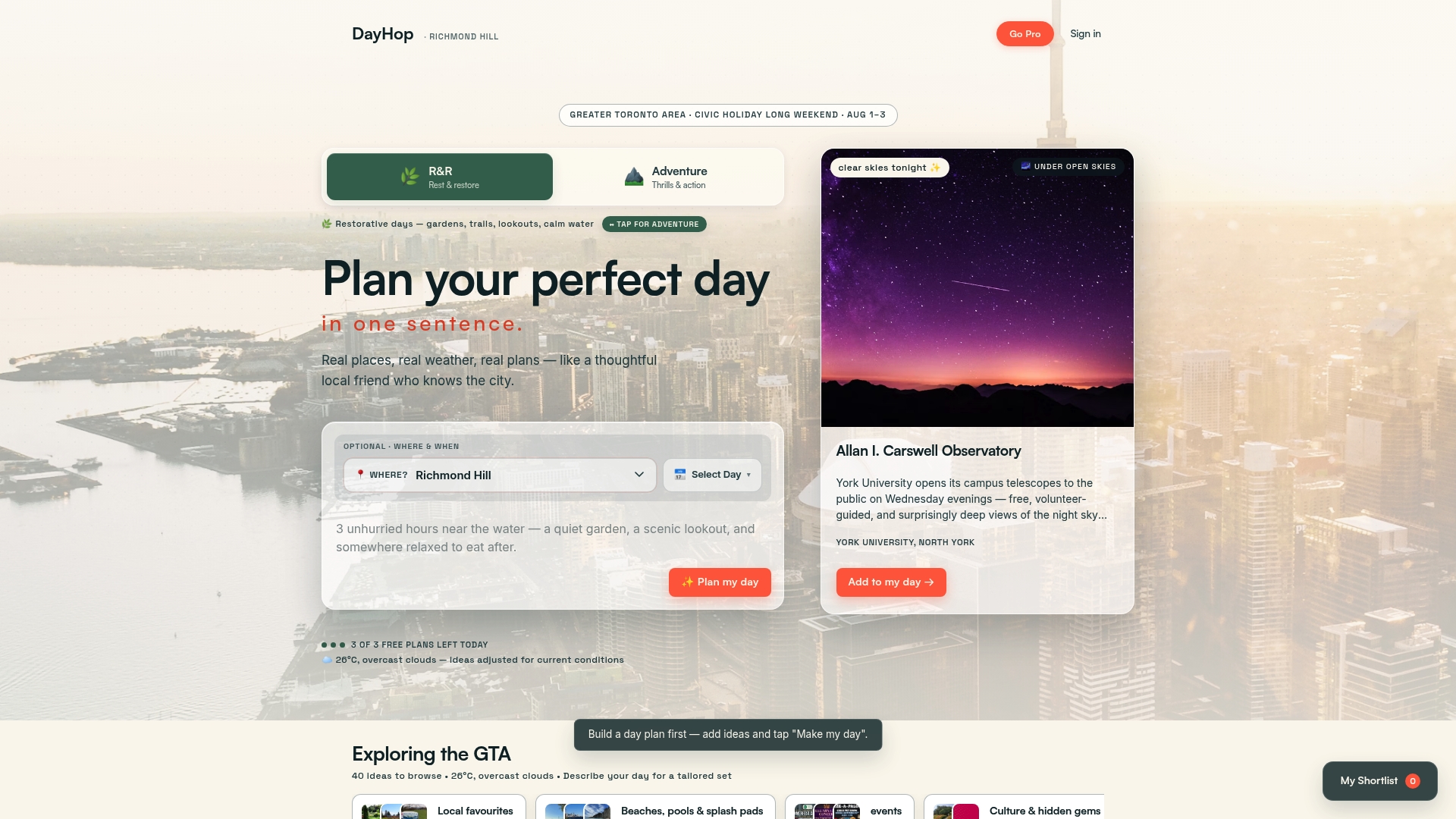
Three features make Dayhop especially useful for concert nights in Toronto. First, personalised itinerary creation: set your venue, your show time, and your preferences, and Dayhop builds the before-and-after around it. Second, live event and calendar links: the app connects directly to venue calendars and ticketing platforms so you’re not jumping between tabs. Third, transit and weather-aware adjustments: if your show runs late or the weather shifts, Dayhop updates your plan on the fly.
Ready to build your night? Start your free Dayhop plan and have a complete evening itinerary in minutes.
Useful sources and official venue links
Bookmark these pages for accurate event dates, ticket policies, accessibility details, and visit logistics. Official venue pages are always more reliable than third-party listings for this kind of information.
- Koerner Hall — Plan your visit (Royal Conservatory of Music) — seating map, accessibility guide, arrival logistics, and concert calendar
- Royal Conservatory of Music — Mazzoleni Concert Hall details, programme listings, and visitor information
- Horseshoe Tavern — full event calendar, ticketing, and door policy
- The Reservoir Lounge — nightly jazz schedule and reservation info
- Drom Taberna — world music events, reservations, and weekend programming
- ️ 888 Yonge St. / The Concert Hall — event listings and venue history for the Toronto Masonic Temple concert space
- List of music venues in Toronto (Wikipedia) — full directory of Toronto venues by capacity and neighbourhood
- Dayhop — Plan your perfect GTA day — build and save a full night-out itinerary with transit, dining, and ticket links
A quick note on verification: capacities, ticket prices, and accessibility features change. Always confirm the details on the venue’s own “Plan your visit” page before you book, especially for accessibility needs or group visits. When a venue calendar and a third-party listing disagree on a date or price, the venue calendar wins.
Recommended
Plan my day →